

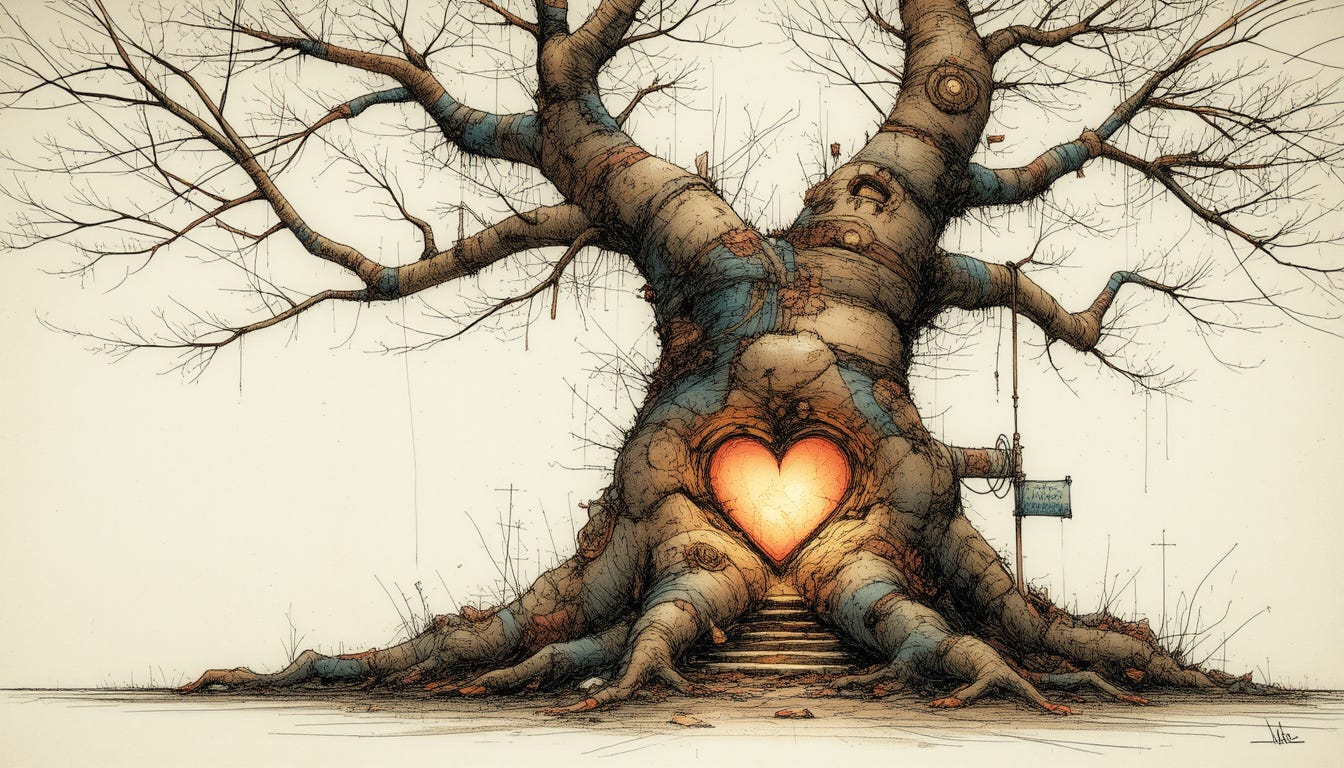
Rejection and abandonment are two of the most difficult things to deal with as a human being. The way we connect to others revolves completely around these topics and determines in which category of attachment style you fall.
When your parents/caretakers showed up for you and you felt safe to be who you are as a child, you most likely developed a secure attachment style. Around 50% of our population has a secure attachment style, which will make having relationships in adult life much easier.
But what about the other 50% that are not secure? They either fall into anxious attachment, avoidant, or fearful/disorganized. All these styles have something to do with hypersensitivity to rejection or abandonment.
Anxious attachers fear abandonment and the loss of their partner’s love. Avoidant attachers never get too close or “connect,” says Firestone; they refuse to rely on romantic partners and often see those partners as “needy” if they require too much intimacy.
Estimates suggest that 20% of the population has anxious attachment, 25% is avoidant, and that combinations such as secure-anxious or anxious-avoidant make up 3–5%.
If you wonder which category you fall under, this test can tell you more.
Recognizing Your Attachment Style
I used to be fearful-avoidant, but coming out of an intense relationship five years ago and having worked through my childhood issues, I find myself moving more toward secure attachment.
It’s definitely not easy to change your attachment style, because you keep falling back into old patterns. Besides that, you will probably date people with their own non-secure attachment styles, which can trigger a lot in you as well.
Having worked through my own patterns makes me see a lot of attachment issues in my friends as well. It’s heartbreaking to see them fall into the same traps over and over again, and I often wish I could help them protect themselves.
The truth, however, is that everybody moves at their own pace, and they won’t be ready until they are ready.
Choosing Yourself When Being Rejected
The biggest lesson I learned was to choose myself when somebody rejects me. I know how incredibly hard this is if you love someone and keep hoping things change. You entered this relationship with a bright future in mind, ready to build something wonderful together.
Letting go of that illusion is a very big part of showing up for yourself. The harsh truth is that that person is not choosing you. It doesn’t matter what the reason for that is — they don’t want you. This has nothing to do with you not being good enough, and everything with the choice of that person.
So how did I learn to show up for myself when facing rejection? Here are some tips:
1. Accept it
The first step is acceptance. Your partner doesn’t want you. Let that sink in. Cry about it. Scream about it. Be angry about it. But in the end, accept it.
There can be a million reasons why they don’t want you. Maybe they are struggling with themselves. Maybe you two are not a good match. Maybe they fell for somebody else. Maybe they don’t want to be in a relationship right now.
Whatever it is, please remember that it’s not only on you. Two people make up a relationship, and in a healthy partnership, you will be accepted for who you are. If, for whatever reason, your partner does not want to be with you, accept it.
2. Regulate your body and emotions
Rejection and abandonment cause a great deal of emotions and stress in your body and mind. You might get panic attacks, or perhaps you can’t function because of the pain inside you. Maybe you can’t stop crying, or you get completely emotionally numb.
Many people fall back into toxic behavior during this part. They drink/take drugs, run away, have a lot of sex, distract themselves with work, or any other external thing you grab onto to not feel their intense emotions.
Unfortunately, this is only a band-aid and will not help you in the long run. Your body is dysregulated; it needs your attention. Look into meditation and yoga, and find videos on YouTube about releasing emotions somatically.
3. Sit with the pain
Many people will immediately look for another partner or keep trying to win over their ex after rejection. But the pain is there for a reason. It wants you to be there for it.
You can only heal when you accept that pain and sit with it. If pain is pushed into the dark shadows, it will cause more havoc. Bring it to the light and embrace it. You are hurt, and that’s okay.
Ups and downs are part of life, and being down is only a reminder that positive days will come too.
4. Take distance
I totally get that you want to stay friends with your ex. You’ve seen the wonderful side of this person, and you’ve been through a lot together. You grasp onto the good memories and nice moments you had with them.
But your body and mind are hurting right now. They will keep hurting if you keep seeing that person. Every time you will be reminded of what you’re missing and will want that back.
There is no such thing as being friends with your ex right after a painful breakup. You got rejected — it’s time to take some distance from them and let them figure their own shit out.
Maybe you can be friends when you are truly over them, but in the beginning, it’s best to take space.
5. Get to know yourself
The good thing about taking distance is that you can focus on getting to know yourself. Why did this happen? Why did you fall for somebody who is not choosing you (and didn’t leave)? Who is the person really you got so attached to?
An ex can reveal a lot about your own shadows. I believe that every person is a mirror for you — what lessons did they bring you? Where do you need to work on yourself?
Why couldn’t you choose yourself when they clearly stated they didn’t want you? What part of you wished things were different, and why? What is your inner being trying to tell you?
Be open to the lessons coming from this experience, and go deep into your psyche to heal yourself.
6. Go back to your childhood
Your attachment style most likely comes from your childhood. You learn to form bonds (whether healthy or unhealthy) during these early years. If your parents didn’t love you unconditionally, or you often didn’t feel safe to express who you are, this is where you have to go back to in order to change it.
Buying a shadow work journal helped me incredibly during this stage. It revealed so much about me and my family that I had no idea about. This can be a very challenging time because it will reveal a lot of pain.
A whole world will open up for you about why you became who you are and why you formed this attachment style. All your relational problems suddenly make sense, and this hurts.
It hurts like hell, and all you can do is sit with yourself and your inner child. This is another reason why you need to be alone — this is a time for introspection, not distraction.
7. Let go of the past
If you have gone back to your past, at some point, it’s also time to let it go. Your parents did the best they could in their own ways, and probably have their own attachment styles as well.
If you’ve done inner child work, you learned to embrace the hurt part of you, and you can move forward with healthy behavior. Any challenging part of your life (this doesn’t necessarily need to be your early childhood) comes to teach you something, and only once you learn the lessons can you let go.
But those lessons will keep coming back as long as you don’t learn from them. If you’ve done the inner work well, you can really let go of the past.
8. Have gratitude
Gratitude is one of the best healing tools out there. Be grateful for all the experiences in your life that made you into the person you are today. Without those challenges, you wouldn’t have gotten to know yourself on such a deep level.
And when you know yourself and are connected to your authentic Soul, you stop going back to toxic patterns. Whether that is being a people-pleaser or a loner/runner, or any other destructive behavior.
You accept yourself fully for who you are and stay away from people who don’t accept that version of you. You learn to completely trust your intuition, and that is the biggest gift of being human.
9. Practice self-love
Finally, practice self-love. It’s very likely you will sometimes go back to old behavior or fall for the wrong person again. Trust yourself when something does not feel right, and let go before going too deep.
When somebody triggers you, take a step back and ask yourself where it comes from. Is your body giving you signals that you are ignoring again?
Listen to yourself and love that part. What is the trigger trying to teach you about yourself? Triggers always show up because you need to learn something, not because the other person is doing something wrong.
Sometimes triggers are really just memories of the past, but sometimes they are messages. Learn to recognize the difference, and choose for yourself when in doubt.
Because only when we can truly love ourselves can we wholeheartedly love another.
Changing Your Attachment Style
If you constantly fall back into similar types of relationships and can’t figure out what you are doing wrong, your attachment style can reveal a lot.
But the good news is that we can change it. I went from being a notorious avoidant to fearful/disorganized and am now on my way to secure.
When I was avoidant, and somebody came emotionally close, my first response was to shut down and be hyper-independent. I kept finding reasons for not having to commit. This had nothing to do with the partner and everything with myself.
As soon as I moved towards fearful/avoidant, I wanted emotional closeness so badly, but it also triggered me a lot. I got anxious when partners pulled away and I tried to change for them. Again, this has nothing to do with the partner and is all on me.
So please, when your partner rejects or abandons you, remember that it’s not (only) you. It’s how you show up for yourself, whether you allow yourself to get hurt again.
Walk away and surrender to the plan of the Universe. Somebody who is all-in with you might be waiting around the corner.
It took me 37 years to move from fearful-avoidant to secure, and what helped the most was shadow work. This type of work exposes you to your own wounds, so you can heal them. It’s confronting but necessary — after all, if you don’t really know yourself, you can’t help yourself either.
That’s why I wrote a shadow work journal, especially for attachment styles. Available on Amazon or Etsy.
Wanna try it out first? Click here to download a free sample!
You might like this article next:
